Life Sciences Learning & Development
Bringing complex scientific content to life through thoughtful instructional development, visual communication, and interactive learning.
I've spent much of my career developing training and educational materials for pharmaceutical and medical device organizations. My work has supported product launches, disease-state education, sales force development, medical professionals, and global learning initiatives across a broad range of therapeutic areas.
I bring a combination of instructional development, graphic design, multimedia production, and technical expertise, along with an understanding of the scientific rigor, collaborative workflows, and regulatory requirements that distinguish life sciences training.

Working with Scientific Content
Life sciences training often begins with complex technical material developed by scientific writers and medical subject matter experts. Translating that content into an effective learning experience requires careful consideration of the audience, instructional sequence, and opportunities for visual explanation.
I've worked within multidisciplinary consulting teams, collaborating with scientific writers, instructional designers, and client stakeholders to organize content, review outlines and storyboards, and recommend approaches that improve clarity and engagement.
My primary responsibility has been to bring that content to life—developing the graphics, interactions, multimedia, and finished learning programs that help learners understand and retain challenging information.
Making Complex Concepts Easier to Understand
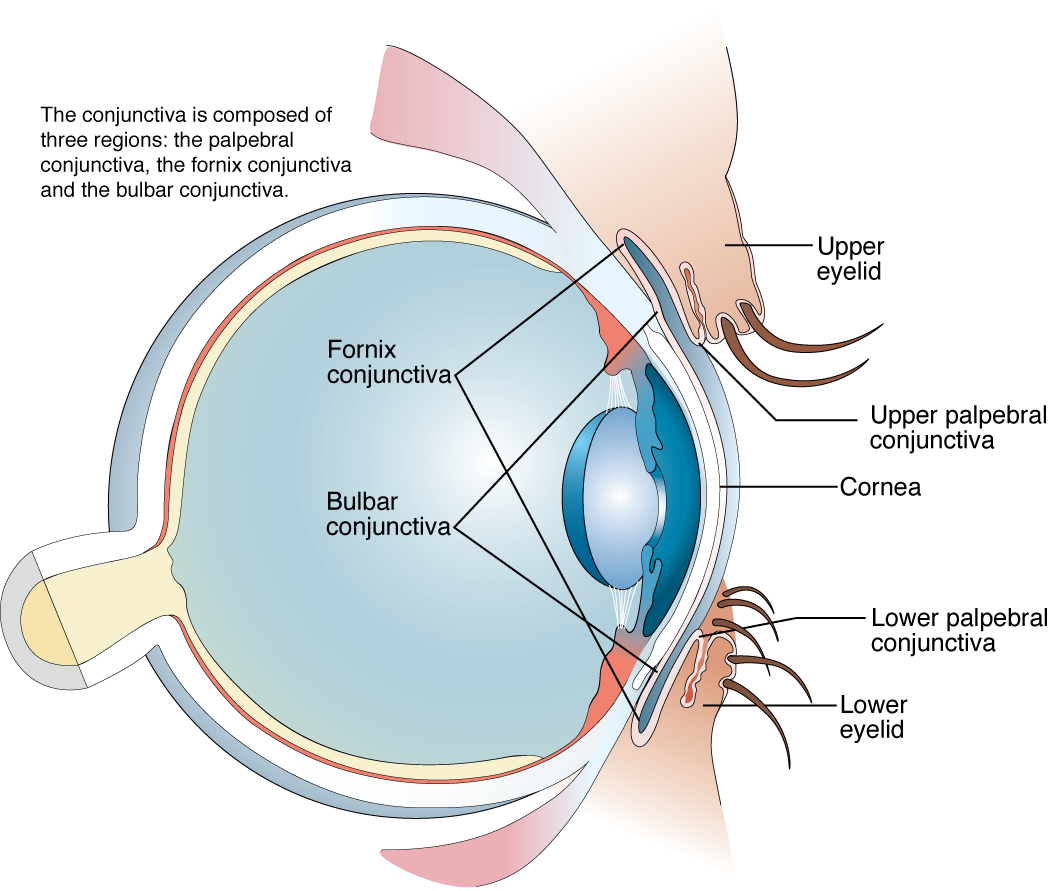
Scientific illustration and animation play an important role in my work. I've developed custom graphics and collaborated with specialized medical illustrators and animators to explain anatomy, physiology, disease processes, and mechanisms of action.
Each illustration is tailored to the learning objectives, balancing scientific detail with visual clarity. The goal is to help learners understand the relevant anatomy, physiology, or disease processes in the context of the therapy being studied.
Pharmaceutical Sales Training
Sales force training has been a major focus of my life sciences work, particularly programs supporting new product launches.
These initiatives often required comprehensive learning experiences that built knowledge progressively—from foundational anatomy and physiology through disease-state education, drug classifications, product information, and clinical trial findings.
I've developed extensive eLearning programs that combine scientific explanations, visual learning, interactions, and assessments to help representatives build and demonstrate the knowledge needed for their roles.
I've also produced post-launch reinforcement programs, including short drive-time audio training designed to refresh important concepts, reinforce terminology, and support recall of key messages.
Medical and Scientific Audiences
Programs for medical science liaisons and other healthcare professionals require a different approach. These audiences often bring substantial scientific knowledge to the learning experience, so the emphasis shifts toward specific product differentiators, clinical evidence, and new scientific information.
My work has included developing educational materials and presentations for medical science liaison programs, key opinion leader (KOL) conferences, and physician lunch-and-learn sessions, sometimes incorporating detailed scientific literature and clinical findings.
Across these audiences, the challenge is to present information at the appropriate level of depth while maintaining scientific accuracy and clarity.
Supporting Global Training Initiatives
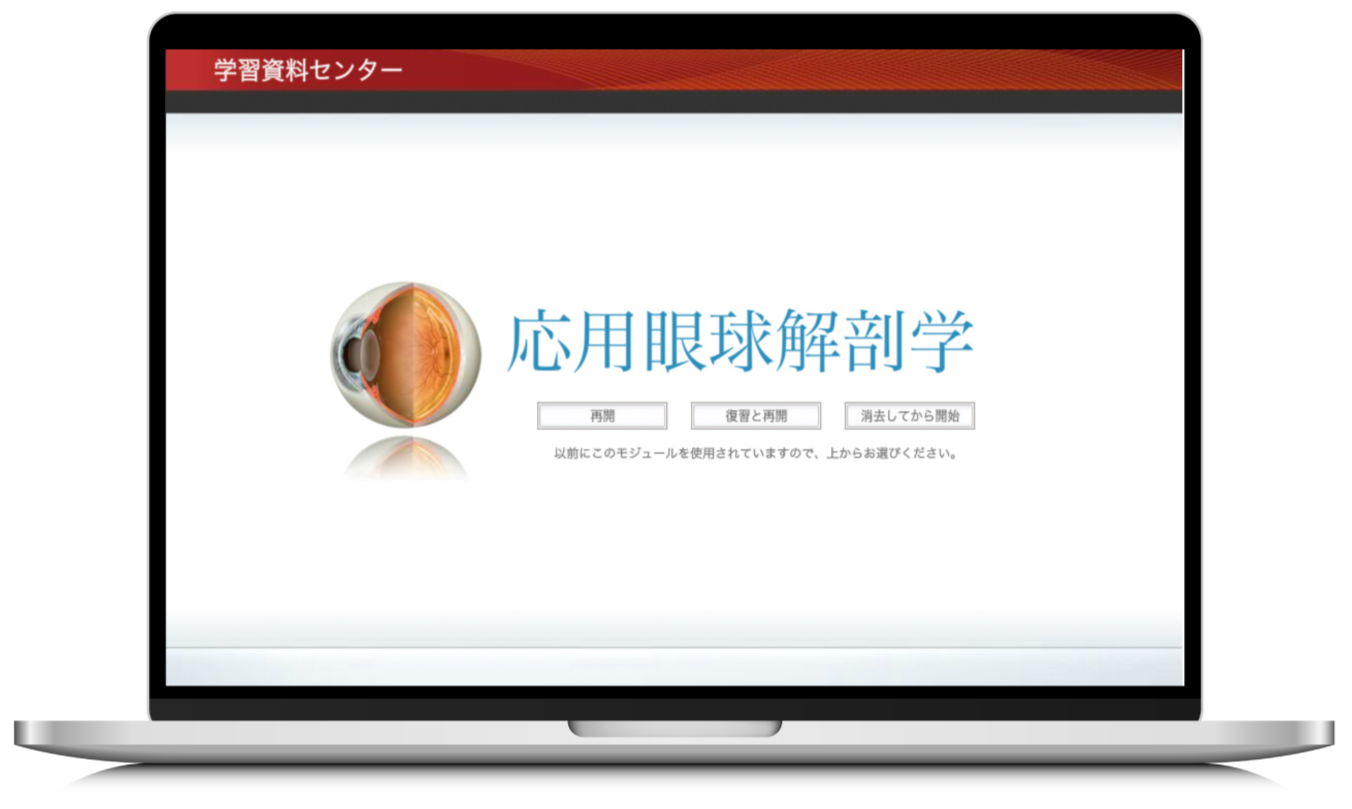
I've managed the development and localization of training programs for global pharmaceutical launches, coordinating with translation vendors and regional reviewers to adapt English-language programs for international audiences.
These projects frequently involved translation of onscreen content, narration, interface elements, and supporting materials. Depending on the program, I worked with specialized language resources and in-country reviewers to verify technical terminology and ensure the localized content was appropriate for its intended audience.
Localization also introduces important production considerations, including text expansion, audio timing, interface design, and consistency across languages. Translation-memory tools such as SDL Trados were often part of the vendor workflow.
Experience with these projects reinforced the importance of well-organized source materials, clearly defined review processes, and careful quality assurance at every stage of localization.

Developing Within Regulated Environments
Pharmaceutical and medical device training requires particular attention to scientific accuracy, referenced claims, and medical, legal, and regulatory review.
I've worked on programs where scientific content was supported by peer-reviewed publications, medical textbooks, and clinical literature, and where multiple review cycles were an expected part of development.
I'm familiar with approval workflows supported by platforms such as Veeva and understand the importance of maintaining version control, implementing revisions accurately, and preserving approved content throughout production.
My role has generally been focused on instructional and multimedia development rather than scientific writing or regulatory approval, working closely with the specialists responsible for those functions.
Therapeutic Areas
My experience spans a range of disease states and therapeutic categories, including:
Cardiology · Dermatology · Endocrinology · Migraine · Neurology · Oncology · Ophthalmology · Urology

My Approach
My work sits at the intersection of instructional design, visual communication, and technical development.
I enjoy collaborating with scientific and instructional specialists to find effective ways of presenting complex information, whether that means developing a detailed interactive course, creating a series of explanatory illustrations, or building a multimedia learning experience.
I understand the importance of respecting scientific content, working within established review processes, and adapting development approaches to the needs of different audiences.
Above all, I value creating learning experiences that are clear, purposeful, visually engaging, and genuinely useful to the people who rely on them.
Project Examples
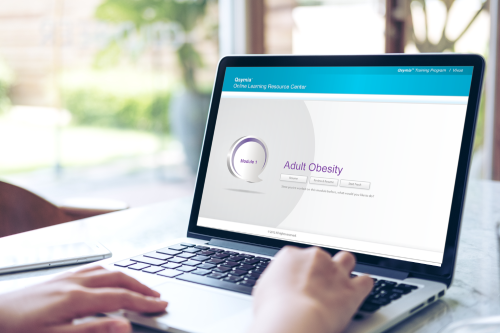
Qsymia Sales Training
Development of an 11-module pharmaceutical training program within a compressed launch schedule and regulated review environment.

Ocular Anatomy - Sales Training
Using custom scientific illustrations and visual explanations to communicate complex anatomical information.